Reda Sadki
-
The integrity layer: using assessment to scaffold peer learning at scale
Peer feedback is the engine of The Geneva Learning Foundation’s learning system. A new screening tool protects that engine, and its design answers three questions education specialists have been circling for decades: what peer assessment is for, how much verification a learning system can afford, and what a certificate can honestly claim. “Ok ok ok…
Written by

-
Research in the Age of Artificial Intelligence: early learning from our insights pipeline
On 13 March 2026, The Geneva Learning Foundation (TGLF) made its first agentic AI hire (see Announcement). Ms. Claude Cardot (unrelated to Anthropic’s Claude, learn why) became a member of our team. TGLF Founder Reda Sadki is documenting his journey of learning to work with artificial intelligence. This article explores how Ms. Cardot is helping…
Written by

-
Malaria: health professionals from 30 countries start learning from each other to ‘turn the tide’
On 29 June 2026, more than 2,000 health professionals from over 30 countries gathered to launch The Geneva Learning Foundation’s Malaria: Turning the Tide peer learning course. Its premise is simple and, in global health, unusual: the people closest to malaria, the nurses, community health workers, pharmacists, and programme staff who face it every working…
Written by

-
Menopause: what health workers already know, in their own words
On 22 June 2026, The Geneva Learning Foundation (TGLF) in partnership with Menoglobal, launched the peer learning course “Beyond the hot flash: A primer for health workers about menopause”. This article explores the experiences and insights that learners shared in their first week. When you were asked to describe yourselves on the first day of…
Written by

-
Rapid gender analysis: what we know so far about the Bundibugyo Ebola outbreak in the Democratic Republic of Congo and Uganda
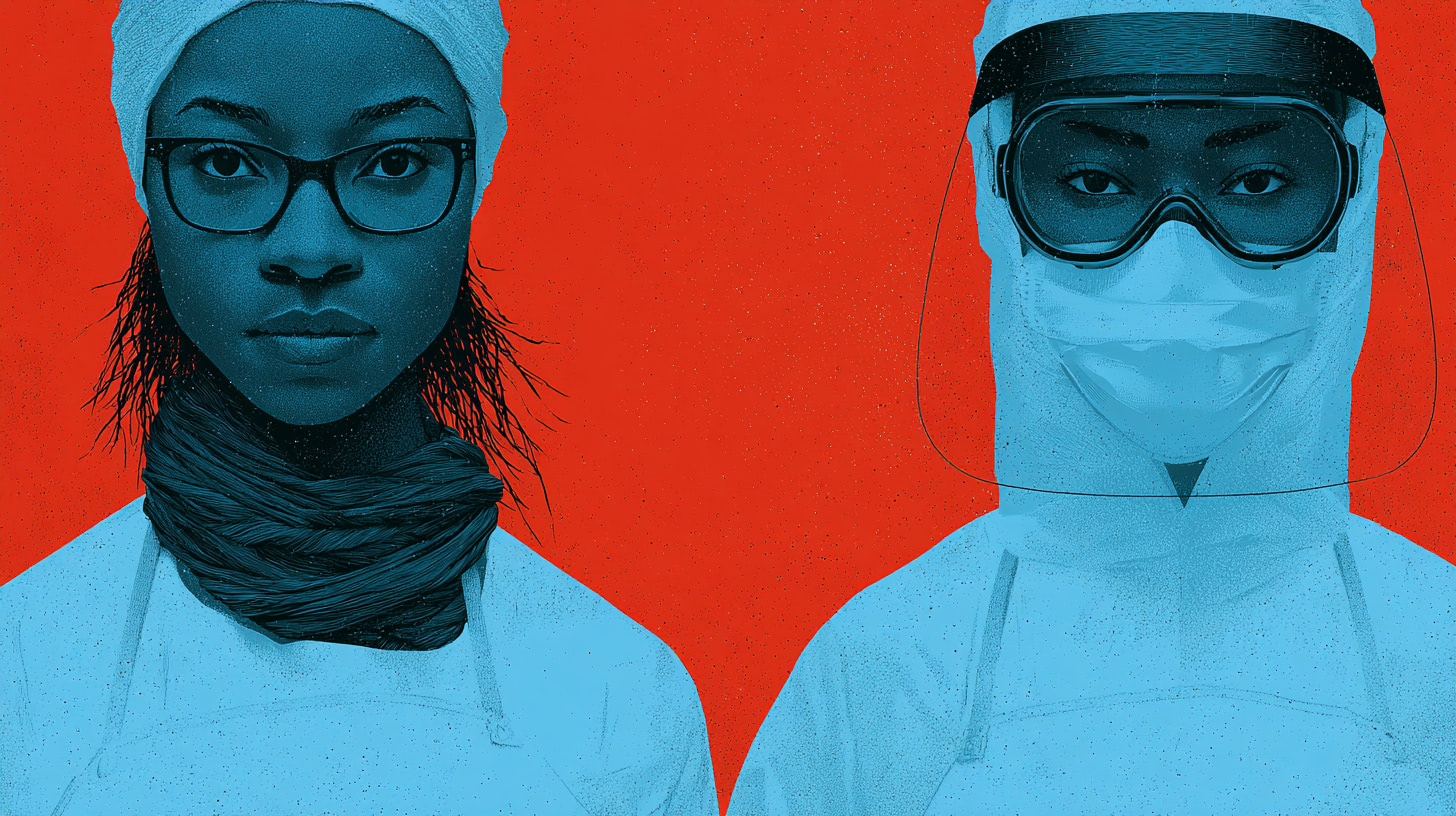
In the Democratic Republic of the Congo and Uganda, more than half of the people who are getting sick with Ebola are women and girls. This has happened in past Ebola outbreaks too. This Rapid Gender Analysis (RGA) reviews what the evidence shows, and what it does not yet show, about gender in this outbreak.…
Written by
-
Bundibugyo en RDC: 10 enseignements du partage d’expérience face à Ebola
KINSHASA, samedi 13 juin 2026. Pendant deux heures, 55 Scholars congolais de la Fondation Apprendre Genève ont tenu, en visioconférence, une réunion de partage d’expérience sur la riposte à la maladie à virus Ebola, souche Bundibugyo, qui circule depuis le mois précédent à l’est du pays. La séance n’avait pas été commandée. On en retire…
Written by
-
Ebola en RDC: les citations les plus marquantes issues du terrain face au virus Bundibugyo
KINSHASA, samedi 13 juin 2026. Les phrases qui suivent sont tirées de la séance de partage d’expérience tenue par cinquante-cinq Scholars congolais de la Fondation Apprendre Genève sur la riposte à la maladie à virus Ebola, souche Bundibugyo. Elles ont été prononcées à l’oral ou écrites dans le tchat de la visioconférence, entre 13h34 et…
Written by

-
Virus Bundibugyo: un réseau de soignants congolais tissent des liens de riposte et de résilience
KINSHASA et BUKAVU, samedi 13 juin 2026. Cinquante-cinq soignants et cadres de santé congolais se retrouvent en visioconférence p our deux heures. Ils ont préparé la séance pendant trois semaines. Le sujet, l’épidémie de maladie à virus Ebola, souche Bundibugyo, qui circule depuis le mois précédent à l’est du pays, a été choisi par eux.…
Written by

-
Teach to Reach: A question without a network, a course without experience, a network without action (article 4 of 4)
Teach to Reach is the largest peer learning platform, network, and community by and for health and humanitarian workers — launched by The Geneva Learning Foundation (TGLF) in January 2021 out of an immunization training programme during the COVID-19 pandemic, and now in its fifth year. As part of TGLF’s tenth anniversary, each month a…
Written by

-
Teach to Reach: Newborn care: a baby with no equipment, a woman with no words (article 3 of 4)
Teach to Reach is the largest peer learning platform, network, and community by and for health and humanitarian workers — launched by The Geneva Learning Foundation (TGLF) in January 2021 out of an immunization training programme during the COVID-19 pandemic, and now in its fifth year. As part of TGLF’s tenth anniversary, each month a…
Written by