Thematic areas
-
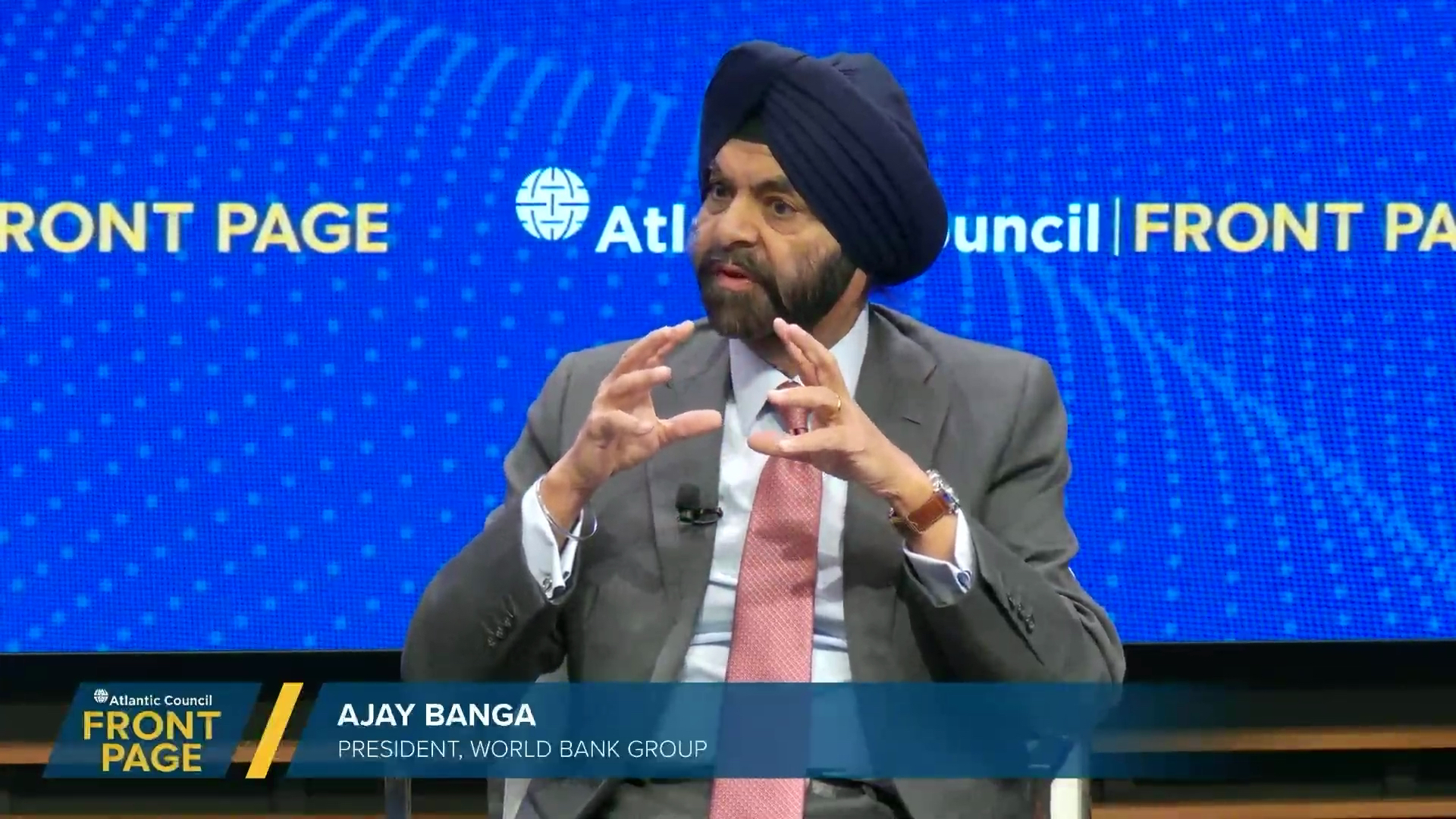
Future of the workforce: the 780 million job gap, the AI reckoning, and the missing link in the World Bank’s biggest bet
Ajay Banga does not speak like a development banker. He speaks like a businessman who has stared at a demographic cliff and decided it is actually a launching pad. His framing, repeated in every forum he enters, is stark: 1.2 billion young people will enter the workforce over the next decade and a half, against…
Written by
-
Unlocking vaccines and pharmaceutical manufacturing potentials in Africa
This article is a summary of UNIDO’s October 2025 report, “Unlocking Vaccines and Pharmaceutical Manufacturing Potentials in Africa: Guidelines for Effective Investment Promotion, Innovative Finance, and Regulatory Frameworks.” The core argument Africa produces less than 1% of its vaccines and a limited share of its essential medicines, despite carrying a disproportionate share of the global…
Written by
-
When the threats cross every boundary: A One Health primer connects professionals across sectors to learn from each other
A nurse in eastern Democratic Republic of Congo treats children with recurring diarrhea after seasonal floods. A few kilometers away, a veterinary worker documents the same contaminated water killing livestock. They work for different ministries. They use different reporting systems. They have never met. The connection is invisible to the system, even though both workers…
Written by
-
AI self-replacement: what happens when we delegate our thoughts to artificial intelligence?
In my Day 1 article, I wrote that the OECD Digital Education Outlook 2026 conference documented performance gains alongside learning losses, efficiency alongside declining human competence, and the emergence of what Dragan Gasevic called “metacognitive laziness.” I described a day that did not offer comfort. Where the first day established the tension between performance and…
Written by

-
One hand reaching for another: the health and humanitarian workers building a global network from clinics, conflict zones, and community halls
On the evening of March 30, 2026, Dr. Saeda Nahid Sultana logged into a global network from Bangladesh as rain and thunderstorms battered her city. It was 7:35 p.m. local time. Her internet connection was unstable. She stayed anyway. Halfway around the world, in the northern highlands of Ethiopia, Tamrat Boro had joined the same…
Written by
-
The road to transformative action on climate and health: what we can learn from the ATACH evaluation
The Alliance for Transformative Action on Climate and Health is a voluntary coordination platform hosted by the World Health Organization, which provides its Secretariat. In early 2026, Cambridge Economic Policy Associates completed a formative evaluation of ATACH’s first year under its 2024 to 2028 strategy, assessing both what the alliance has achieved and where it…
Written by

-
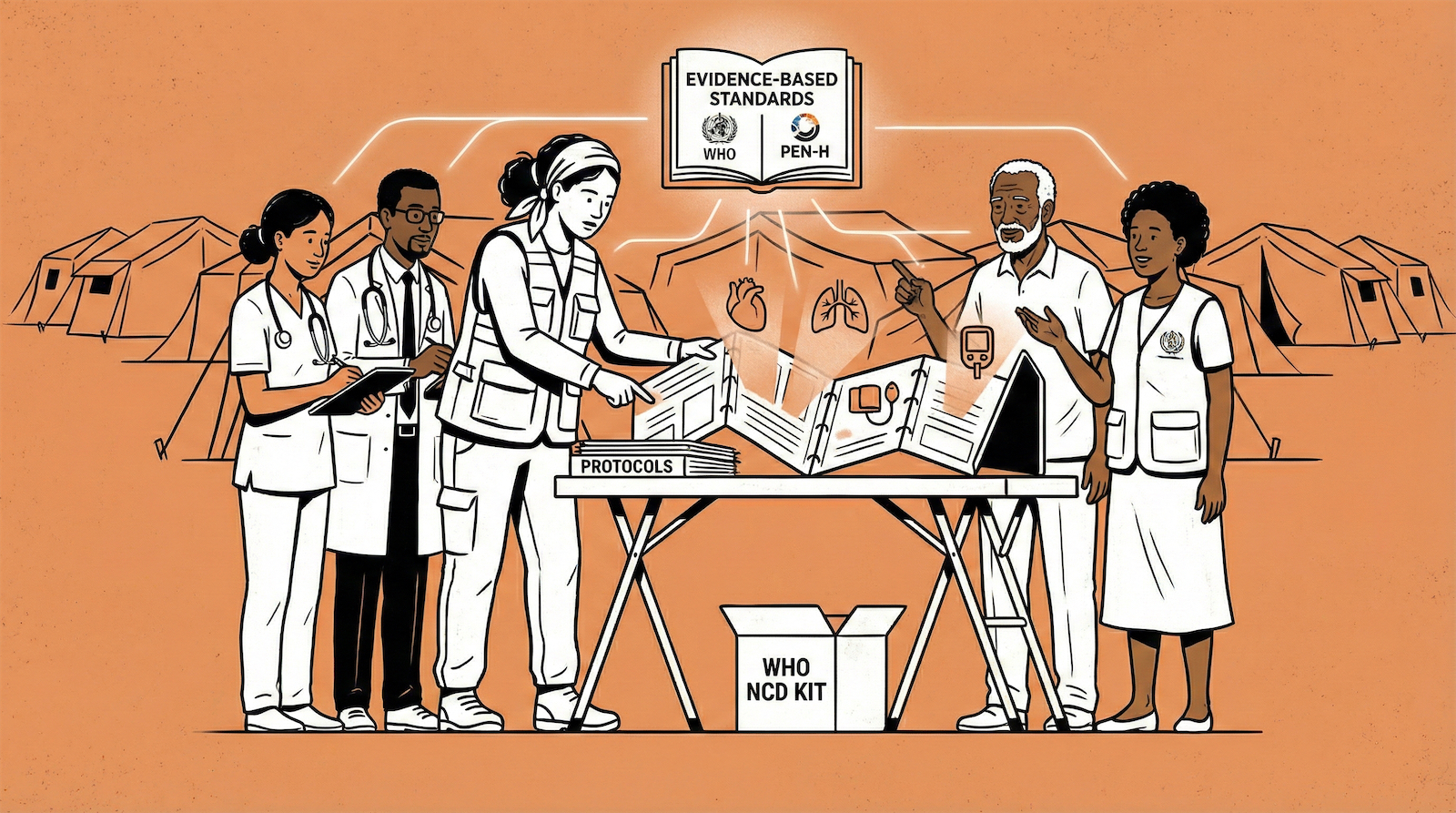
New peer learning course: What you can do to support people living with Noncommunicable diseases in humanitarian settings
The Geneva Learning Foundation (TGLF), in collaboration with Dr Shanthi Mendis, is pleased to announce the first Certificate peer learning programme for noncommunicable diseases (NCDs). The first primer course is for everyone who works for health and wants to better support living with NCDs during a humanitarian emergency. Learn more & enroll in English |…
Written by
-
OECD Digital Education Outlook 2026: How can AI help human beings learn and grow?
On the first day of the OECD Digital Education Outlook 2026 conference on “Exploring Effective Uses of Generative AI in Education,” we saw what happens when education system stakeholders ask not whether AI can improve performance, but whether it helps human beings learn and grow. The focus was K‑12, but the implications reach far beyond…
Written by

-
A thirst for change: frontline voices on World Water Day
Today, on World Water Day, The Geneva Learning Foundation (TGLF) stands in solidarity with health and humanitarian workers in local communities across the globe who are battling the daily realities of climate change and water insecurity. Water is the foundation of human health, yet climate-driven extremes—ranging from severe droughts to catastrophic floods—are fundamentally threatening access…
Written by

-
You cannot therapize an occupation
A child born in Gaza in 2007 is now “six wars old.” That phrase, buried in an academic paper published this month in the International Review of Psychiatry, should stop you cold. It distills, in four words, what pages of clinical data struggle to convey: that for an entire generation, the interval between one catastrophe and the…
Written by