Skills
-
What’s the buzz about new tools for malaria?
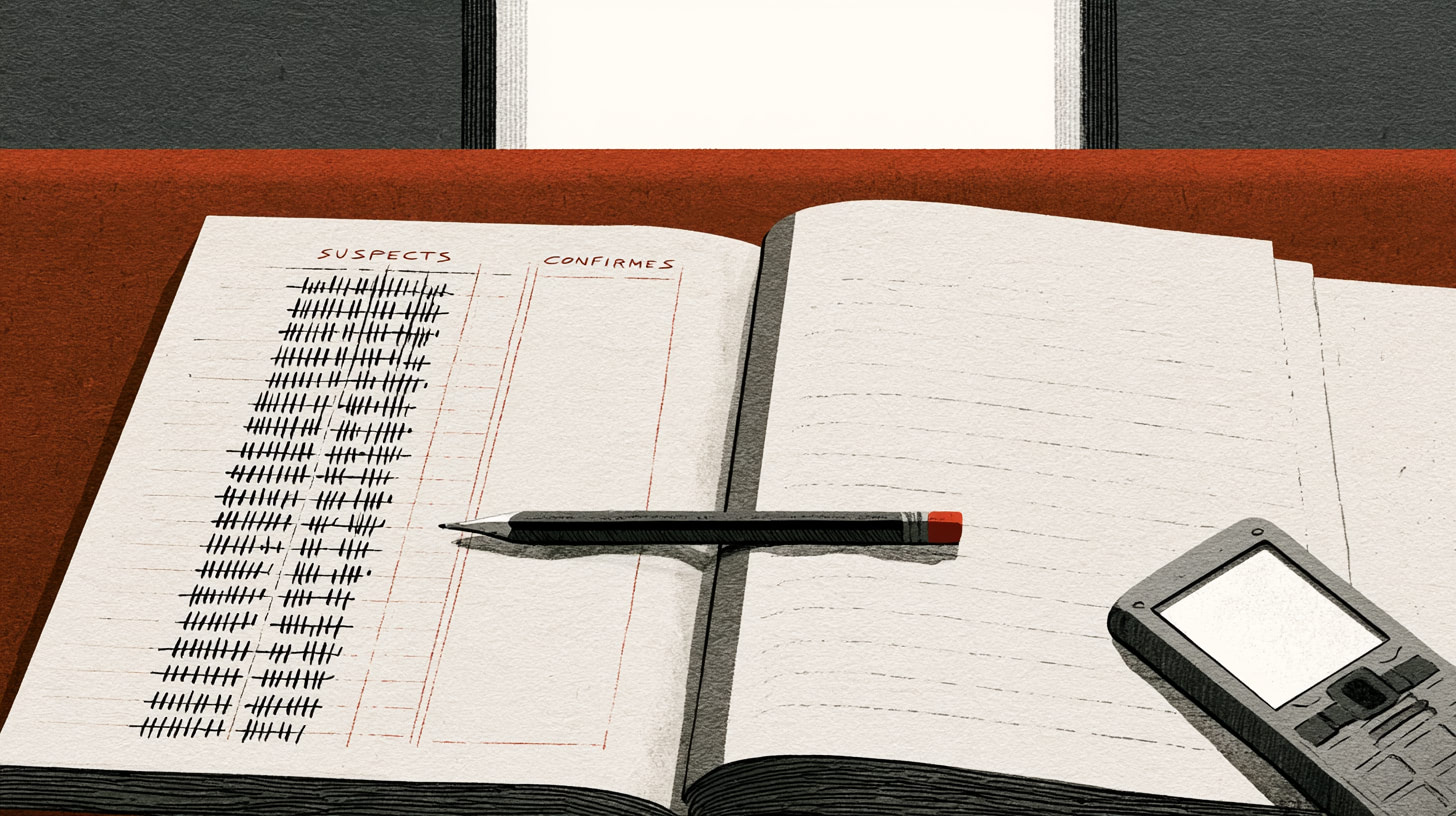
What do a rapid test, a preventive medicine, and a bed net have in common? Every one of them, somewhere, has met a parent who said no. The tools work. So how can such a conversation go wrong? We just finished reading what happened inside the first French-language run of our “Malaria: turning the tide”…
Written by
-
What 30 years of meeting science tells global health
Steven Rogelberg, Liana Kreamer, and Jon Gray have published a review of three decades of research on meetings in the Annual Review of Organizational Psychology and Organizational Behavior. Anyone who funds or attends convenings in global health should read it, because it settles a number of questions we have been arguing from intuition. It also…
Written by

-
Artificial intelligence for global health: a tragedy of the commons brewing in Geneva’s basement
In “The Machine in Geneva’s Basement”, Rifat Hossain sets the scene for the potential impact of artificial intelligence on the World Health Organization (WHO) with a story. A ministry official points a general-purpose assistant at WHO’s own open guidance library and has a serviceable national protocol before lunch. If this is possible, he asks, why…
Written by

-
The integrity layer: using assessment to scaffold peer learning at scale
Peer feedback is the engine of The Geneva Learning Foundation’s learning system. A new screening tool protects that engine, and its design answers three questions education specialists have been circling for decades: what peer assessment is for, how much verification a learning system can afford, and what a certificate can honestly claim. “Ok ok ok…
Written by

-
Joseph WATO nommé premier Fellow pour la transformation de la santé mondiale
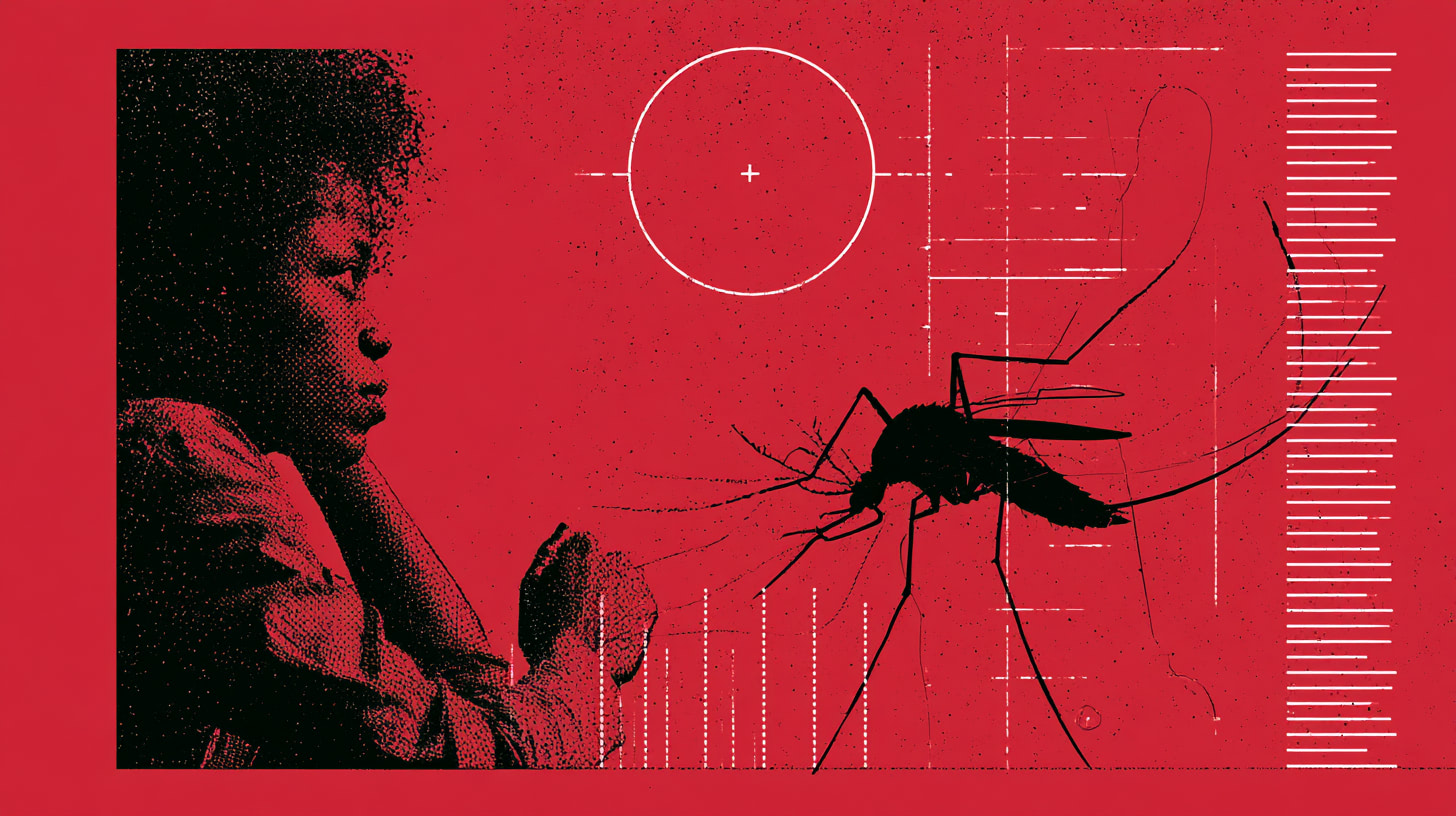
English | Français Genève, le 9 juillet 2026 (La Fondation Apprendre Genève) – Nous avons le plaisir et l’honneur d’annoncer que Joseph WATO a été nommé par la Fondation Apprendre Genève le premier Fellow pour la transformation de la santé mondiale. Joseph WATO : du village à la table du conseil « Vous allez à Genève. Vous…
Written by
-
Joseph WATO appointed first TGLF Fellow for the transformation of global health
English | Français Geneva, 9 July 2026 (The GEneva Learning Foundation) – We are pleased to announce that Joseph WATO is the first Fellow of The Geneva Learning Foundation for the transformation of global health. Joseph WATO: from the village to the board table “You go to Geneva. You sit in all these meetings. How…
Written by
-
Panu Saaristo on NCDs in humanitarian settings: why local leadership is the missing key to humanitarian health
By Panu Eskola Saaristo, TGLF Fellow for Humanitarian Health Somewhere in a flooded district this week, a woman is trying to work out where next week’s insulin will come from. A man is learning that the clinic where he had his cancer follow-up is closed. They are not thinking about the humanitarian system. They are…
Written by
-
Menopause: what health workers already know, in their own words
On 22 June 2026, The Geneva Learning Foundation (TGLF) in partnership with Menoglobal, launched the peer learning course “Beyond the hot flash: A primer for health workers about menopause”. This article explores the experiences and insights that learners shared in their first week. When you were asked to describe yourselves on the first day of…
Written by

-
Rapid gender analysis: what we know so far about the Bundibugyo Ebola outbreak in the Democratic Republic of Congo and Uganda
In the Democratic Republic of the Congo and Uganda, more than half of the people who are getting sick with Ebola are women and girls. This has happened in past Ebola outbreaks too. This Rapid Gender Analysis (RGA) reviews what the evidence shows, and what it does not yet show, about gender in this outbreak.…
Written by

-
Global health architecture: what are we missing?
The 79th World Health Assembly launched a formal process to reform the architecture that governs global health. The design of that process — who sits in the room, what questions it is permitted to ask, whose knowledge it is built to receive — will determine whether reform produces structural change or a more sophisticated version…
Written by